


















John Healey used his Labour party conference speech in Liverpool to unveil an expansion of the Local Apprenticeship Service, with English mayors to be given control over schemes in their areas from March next year
The chancellor has announced a £100m expansion of apprenticeships as part of the government’s plans to get more young people into work.
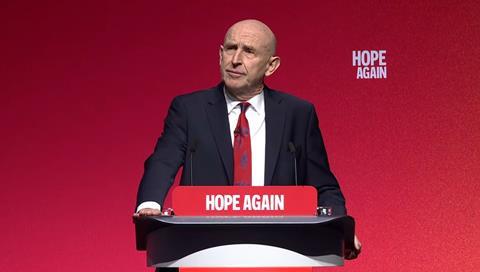
In his speech at the Labour Party conference in Liverpool today, John Healey said the Local Apprenticeship Service would be available to any mayor in England who wants it.
The programme, which matches young people with employers, had previously been planned as a pilot in a limited number of areas.
Healey said mayors would be handed powers to operate the scheme in their local areas because “they know which firms are hiring, which colleges are delivering, which estates have been left behind”.
The Treasury said the programme will roll out across England in March next year and has been fully funded through savings made from the Department for Work and Pensions’ crackdown on fraud.
Healey’s apprenticeship announcement comes as the government faces pressure to cut the rising welfare bill at the Budget on 28 October.
Healey said cutting spending on benefits was “more than an economic must, it’s a moral duty”, adding: “The best thing we can offer a young person is not a benefit payment - it’s a first job with training and a wage.”
Healey’s comments also anticipate the final instalment of a report by former minister Alan Milburn into the one million young people who are not in education, employment or training, also known as Neets.
The report is expected to contain recommendations for getting the one in eight people aged between 16 and 24 who are classed as Neets back into work and out of the welfare system.
Healey said the benefits system should be a “bridge to work, to wider participation, to a better life, not a trap that people can’t escape”, adding that it is “not progressive to allow a bigger and bigger benefits bill, and a system which offers an income but doesn’t offer a future”.







1 Readers' comment